Katja Walter · 26 October 2026
Heritage Tales Driving School Conservation Curricula in Regional Communities
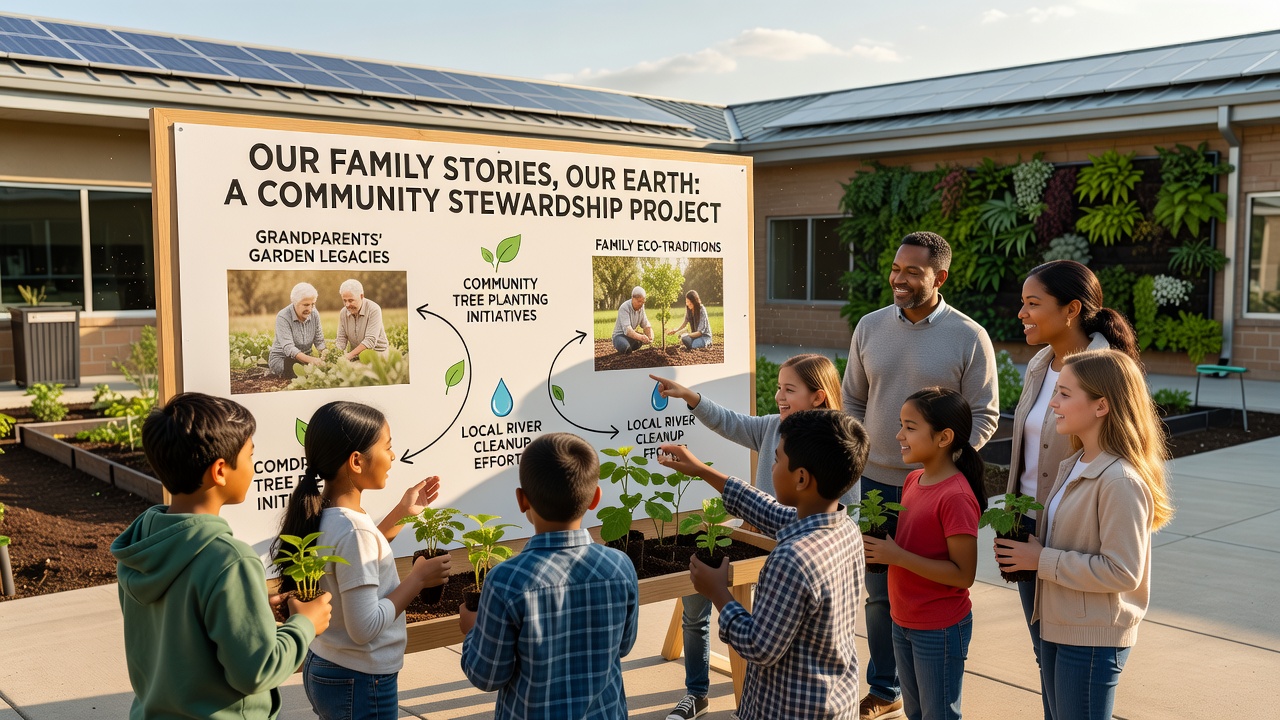
School programs across various regions integrate family narratives with environmental stewardship by having students gather oral histories from relatives about land use changes, water sources, and wildlife patterns, then connect those accounts to current conservation actions such as habitat restoration and waste reduction initiatives. Data from multiple education departments shows participation in these combined storytelling and stewardship modules has risen steadily since 2023, with enrollment figures reaching over 45,000 students in participating districts by early 2026.
Methods for Blending Personal Accounts with Stewardship Goals
Teachers design projects where students interview family members about past farming practices, seasonal migrations of animals, or traditional resource management techniques, after which classes analyze how those experiences align with modern efforts like reforestation or wetland protection. Researchers at institutions in North America and Europe have documented that such approaches increase student engagement in environmental topics by linking abstract concepts to tangible family experiences, while government reports from Australia indicate similar programs correlate with higher rates of community involvement in local clean-up events. In one documented case from a Midwest district, students mapped ancestral fishing routes alongside data on current river pollution levels, leading to collaborative monitoring projects with regional agencies.
Programs often incorporate digital tools for recording interviews and creating interactive maps that overlay historical family information with satellite imagery of habitat shifts, allowing participants to visualize long-term environmental trends. Figures from the U.S. Environmental Protection Agency reveal that schools adopting narrative-based modules report a 28 percent increase in student-led stewardship activities compared to standard curricula alone, and similar patterns appear in Canadian provincial evaluations.
Program Expansions and October 2026 Developments
By October 2026 several districts plan to expand these initiatives through partnerships with local historical societies and environmental organizations, introducing new modules focused on climate adaptation stories passed down through generations. European Union education frameworks support these efforts by funding cross-border exchanges where students compare family accounts of agricultural changes with data from EU biodiversity monitoring systems. Observers note that this timing aligns with updated national standards emphasizing place-based learning, which encourage schools to draw on regional oral traditions rather than generic textbook examples.
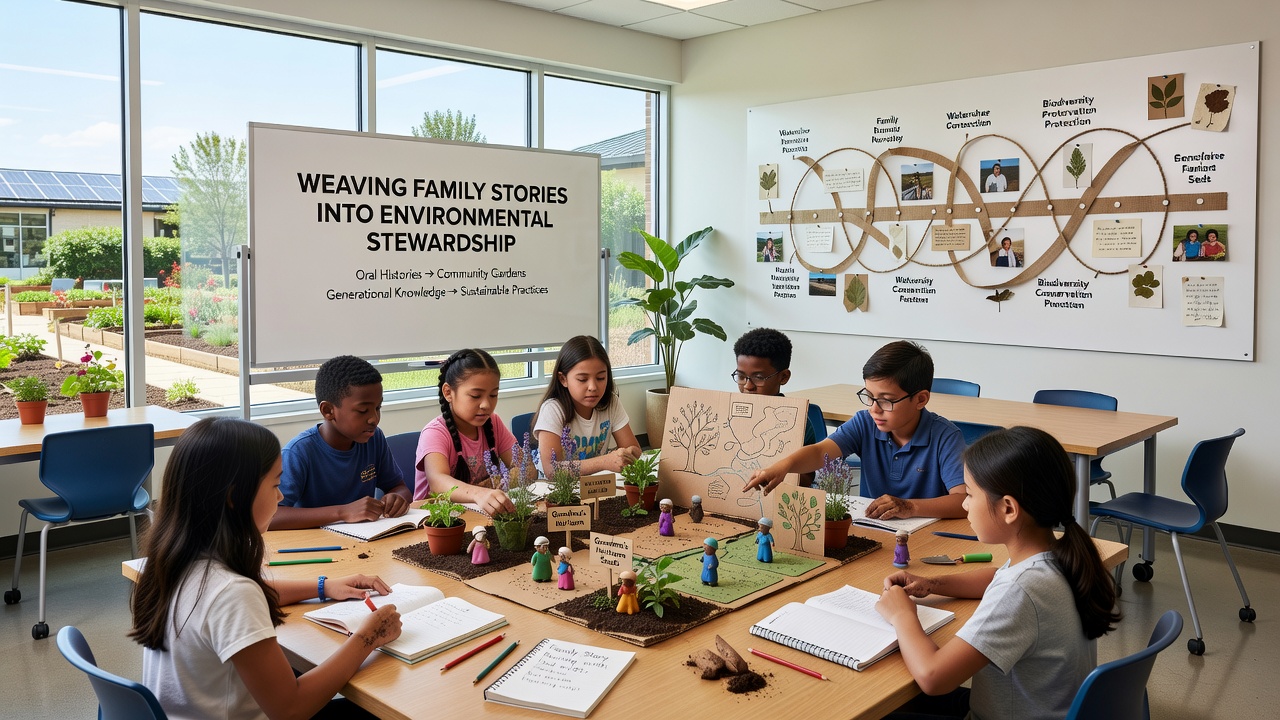
Implementation varies by location yet follows consistent patterns: elementary classes focus on simple interviews about backyard gardens or nearby streams, while secondary students tackle complex topics such as intergenerational shifts in land ownership and their effects on biodiversity. Studies from academic sources in Australia highlight that students who participate in these layered projects demonstrate stronger retention of ecological facts and more frequent participation in voluntary conservation work outside school hours.
Measured Outcomes and Supporting Research
Quantitative assessments track outcomes including reduced litter in participating school zones, increased native plantings on family properties, and higher attendance at community environmental meetings. According to reports compiled by Environment and Climate Change Canada, districts using narrative integration methods show measurable gains in household recycling rates and water conservation behaviors among student families. Academic papers from universities in the United States further indicate that these programs help bridge generational knowledge gaps, particularly in rural areas where rapid development has altered traditional landscapes.
Community events often emerge from classroom work, with students presenting compiled family stories at town halls or science fairs to advocate for specific protections such as buffer zones along waterways. Government agencies in multiple countries provide resources and small grants that enable schools to sustain these activities year-round, and data collected through 2025 shows sustained involvement when family participation remains central to project design.
Conclusion
Overall the approach demonstrates how personal histories serve as entry points for broader environmental education, with evidence accumulating from diverse regions that family narrative integration strengthens both student understanding adn tangible stewardship actions. Continued tracking through 2026 and beyond will clarify long-term effects on community-level conservation metrics and curriculum adoption rates.